
What is Copha? Ingredients, uses and where to buy
Copha is the vegetable shortening that's been on Australian shelves since 1933. What it's made of, how it behaves, and which supermarkets stock it.
Copha is the white block in the dairy case that Australian kitchens have reached for on chocolate crackles, no-bake slices, and moulded treats for more than ninety years.
- More than 99% coconut oil Plus less than 1% soy lecithin.
- No palm oil
- Solid to 36 degrees In the block, at room temperature.
- 250g a block One block makes twelve crackles.
- Coles and Woolworths In the dairy case.
- Not labelled gluten free Not tested, but made on a dedicated line.
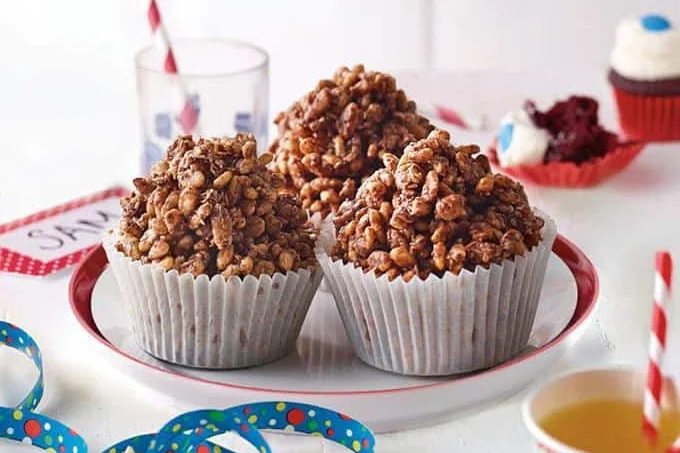 See the recipe
 What Copha is
Copha is a vegetable shortening, made with more than 99% coconut oil and less than 1% soy lecithin. It was developed in 1933 and has been part of Australian baking for more than ninety years.
In New Zealand, the same product is sold under the brand name Kremelta.
You will find Copha at Coles, Woolworths, and selected independent stores, in the dairy case.
What Copha does
Copha contains no palm oil and remains solid at room temperatures up to 36 degrees Celsius. It melts smooth and sets firm again as it cools, which is the property the whole no-bake tradition is built on.
That 36 degree figure describes the block, not the finished bake. Copha's own advice on chocolate crackles is that they set in the fridge, need to stay there, and can soften and lose their shape if they sit out in warm weather.
Gluten and dairy
Copha is not tested for gluten, and is not labelled gluten free.
Copha says it is made on a dedicated production line that does not process any gluten-containing ingredients, so it is unlikely to contain gluten.
Dairy and lactose are the same story. Copha is not routinely tested for either and is not labelled dairy free or lactose free, but the line it is made on does not process any dairy-containing ingredients, so it is unlikely to contain dairy.
If you are baking for coeliac disease or a diagnosed allergy, treat that as a statement about how Copha is made, not a guarantee. Copha says the same about its own gluten-free recipes: they have not been independently tested for gluten, and every other ingredient in them needs to be certified gluten free. Its recipe library has a gluten-free recipe category if you want recipes built around it.
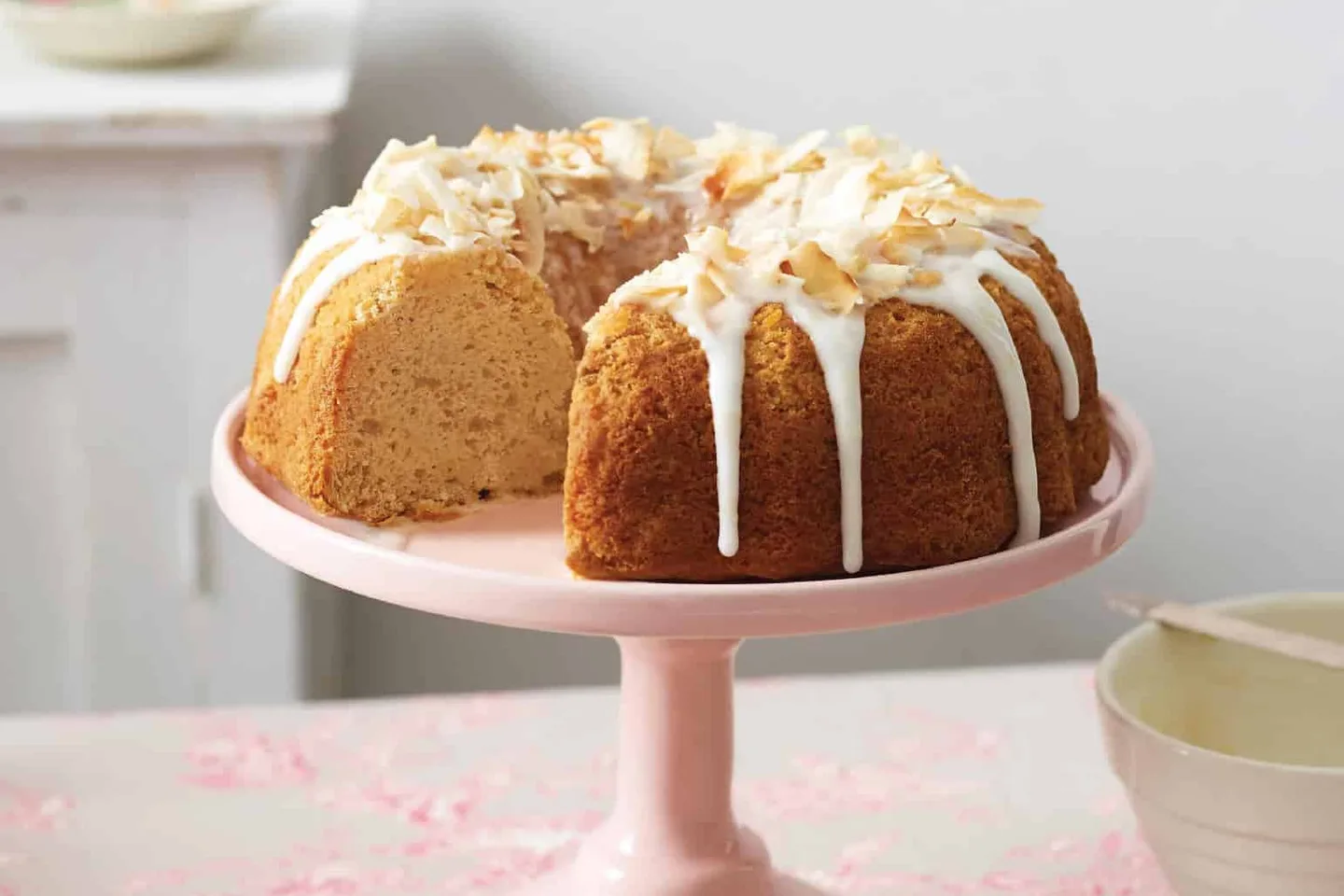 See the recipes
 What decorators bake with it
Copha publishes a free online recipe library at copha.com.au. The library is organised into ten categories: cheesecakes and cakes, chocolate, Christmas dessert, crackles, easy desserts, Easter dessert, gluten-free dessert, kids party dessert, no-bake dessert, and dessert slices.
Across Cake! Network content the uses that come up most are chocolate crackles, layered slices, no-bake cheesecakes, and moulded treats, with Easter bunnies and crackle slice the classics.
Working with it
The classic ratio is on Copha's own chocolate crackle recipe. It fills a twelve-cup muffin tray:
- 250g (one block) Copha
- 125g (1 cup) icing sugar
- 60g (half a cup) cocoa powder
- 4 cups Rice Bubbles
- 100g (1 cup) desiccated coconut
Copha is firm on substitutions. Butter gives a softer result that is more prone to melting, and coconut oil is not a swap, because it is less stable at room temperature and changes the texture.
If crackles come out crumbly, the usual cause is dry ingredients that were never fully coated, so every bubble needs covering before it sets. If they come out too soft, they either did not chill long enough or the ratio was off. Once set they keep in an airtight container in the fridge for up to four days, or three months in the freezer.
Step by step.
- 1
Melt the Copha
Microwave it on high, or melt it in a saucepan, until it is fully liquid and no hotter.
- Overheating makes the finished mixture oily.
- A slow melt blends more evenly through the dry ingredients.
- 2
Mix straight away
Combine the Rice Bubbles, icing sugar, cocoa and coconut, then stir the melted Copha through immediately.
- It starts to firm the moment it meets the dry ingredients.
- Work from the bottom of the bowl so every bubble is coated.
- 3
Chill to set
Spoon into paper cases and refrigerate for about an hour.
- Crackles rely on chilling to hold their shape.
- Keep them refrigerated until serving in warm weather.
The questions.
- What is Copha?
- A vegetable shortening made with more than 99% coconut oil and less than 1% soy lecithin.
- Is Copha gluten free?
- Not officially. Copha is not tested for gluten and is not labelled gluten free. Copha says it is made on a dedicated production line that does not process any gluten-containing ingredients, so it is unlikely to contain gluten. If you are baking for coeliac disease, treat that as a statement about how Copha is made, not a guarantee.
- Is Copha dairy free or lactose free?
- Not officially. Copha is not routinely tested for dairy or lactose and is not labelled dairy free or lactose free. Copha says it is made on a dedicated production line that does not process any dairy-containing ingredients, so it is unlikely to contain dairy.
- Does Copha contain palm oil?
- No.
- How heat-stable is Copha?
- Copha remains solid at room temperatures up to 36 degrees Celsius, which Copha says makes it an ideal ingredient for desserts and slices, especially during warmer weather.
- Where can I buy Copha?
- Coles, Woolworths, and selected independent stores, in the dairy case.
- Is Copha the same as Kremelta?
- Copha is sold in New Zealand under the Kremelta brand.
- When was Copha first sold?
- It was developed in 1933.
New guides, in your inbox.
One email when a new guide or a piece of Cake! News goes live. No spam, and you can leave any time.
More questions?
If you have more questions, become a Cake! Member and ask in the members-only group. You'll hear from working Australian decorators who have already solved what you are working on. A$120 a year, inc GST.